
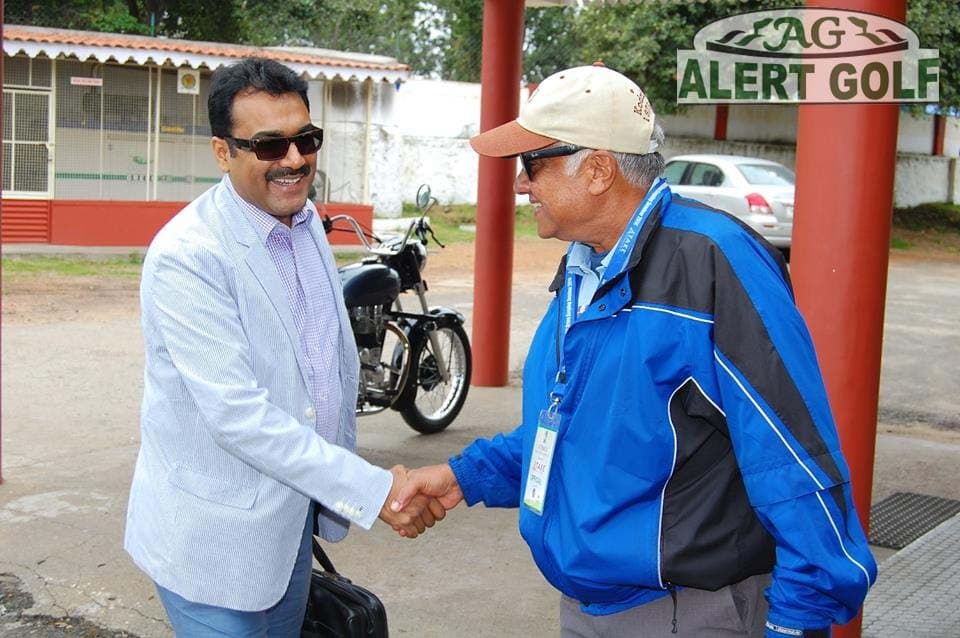
Rakesh Sharma in a mentoring session

Mentorship

Investing in the
architects of tomorrow.

Capital is replaceable. Technology is copyable. The capability inside a person is neither — which makes it the only thing genuinely worth investing in.

Mentorship Philosophy

Why people are
central to progress.

Progress is usually credited to technologies, policies, and capital. In practice all three are inert. Someone has to decide what to do with them, and that decision is made by a person with a particular set of instincts, formed over years, usually by somebody else who took the time.

That is the entire argument for mentorship. Not generosity — arithmetic. A good decision-maker created once will make thousands of decisions across a career, in rooms you will never enter, long after you have stopped being useful in them.

You cannot scale judgement. You can only pass it on, one person at a time.

Rakesh Sharma mentoring

One person at a time

Developing Future Leaders

Three things worth
handing over.

Knowledge Sharing

What took twenty years to learn should not take another twenty.

Most of what is genuinely useful in business is never written down — it lives in the judgement of people who have already been through the thing you are about to attempt. Sharing it costs nothing and saves years.


Guidance

Direction, not instruction.

The point is never to hand someone the answer. It is to help them see the shape of the decision more clearly — which variables actually matter, which risks are survivable, and which are not — and then let them choose.

Leadership Development

Building people who can build others.

A mentor who produces dependents has failed. The measure is whether the person eventually mentors someone else without being asked — that is when the capability has genuinely transferred rather than been borrowed.

Supporting Entrepreneurs

Six things I wish
someone had told me.

Not advice in the abstract — the specific corrections that would have saved me the most time and money, in the order they usually become relevant.

On starting

The idea matters far less than the willingness to be corrected by the market. Almost every venture I have seen succeed looked meaningfully different at year three than at launch.

On capital

Money solves fewer problems than founders expect and creates several they did not have. Raise for a specific, named constraint — never for validation.

On people

Your first ten hires set the standard permanently. It is far easier to hire slowly than to fix a culture that formed around convenience.

On failure

Separate a bad season from a bad idea. One needs endurance; the other needs an ending. Confusing them is the most expensive mistake available to you.

On timing

Being early is indistinguishable from being wrong until suddenly it isn't. Make sure you can afford to still be there when the market agrees with you.

On staying

The quiet years — where nothing is announced and competence is actually built — look like failure while they are happening. They are the ones that decide everything.

Rakesh Sharma
A message to the next generation

You will be told to move fast. Do — but decide slowly.

You have advantages my generation did not: capital that is easier to reach, tools that remove months of work, and a market that will find you if what you have made is good. What you do not have is time to accumulate judgement quietly, because everything you do now happens in public.

So borrow it. Find the people who have already made the mistake you are about to make and ask them plainly. Most will tell you. Very few people are asked, and almost everyone wants their expensive lessons to be worth something to somebody.

And when it is your turn — and it will be sooner than you expect — answer the message from the person three years behind you. That is the whole system. It only works if each generation bothers.

Rakesh Sharma's signature

Rakesh Sharma

If you are stuck on something, ask.

Mentorship requests, leadership sessions, and conversations with founders early in the work — all reach the same desk.